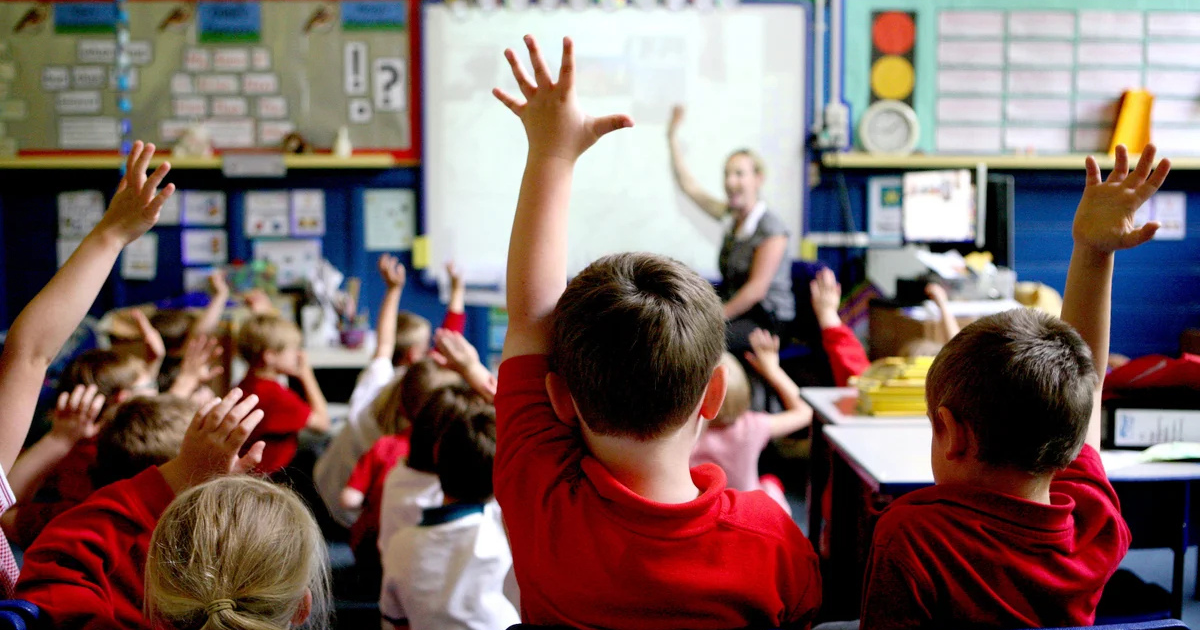
School funding in the UK has been one of the most debated topics in education policy. Over the past decade, funding changes and budget cuts have significantly affected schools, teachers, and ultimately, students. While the government aims to distribute funds more fairly across regions, many schools continue to face financial strain, leading to larger class sizes, staff shortages, and reduced learning opportunities.
This blog explores how funding changes impact UK schools and teachers, why these issues matter, and what potential solutions could help create a more sustainable education system.
Understanding How School Funding Works
In England, school funding mainly comes from the Department for Education (DfE) through the National Funding Formula (NFF). This system determines how much money each local authority and school receives based on factors like:
-
The number of pupils enrolled.
-
Levels of deprivation or special educational needs.
-
Local cost of living and area-specific challenges.
While the NFF was designed to make school funding fairer, many educators argue that overall budgets have not kept up with rising costs, especially inflation, energy bills, and teacher salaries.
The Real-World Impact of Funding Cuts
1. Staff Shortages and Workload Pressures
Many schools struggle to retain teachers and support staff due to limited budgets. Pay increases often fail to match inflation, and schools can’t always afford to hire replacements when staff leave. This results in:
-
Heavier workloads for remaining teachers.
-
Less one-to-one support for pupils.
-
Reduced time for planning and professional development.
The National Education Union (NEU) reports that teacher burnout and early career dropouts are rising — directly linked to funding pressures.
2. Larger Class Sizes
As schools cut back on staff, class sizes have grown. Larger classes make it harder for teachers to give individual attention, particularly to pupils with special educational needs or those who need extra help catching up after the pandemic.
3. Reduced Learning Resources
Budget cuts often force schools to spend less on textbooks, technology, and extracurricular activities. In some cases, schools ask parents for voluntary donations or hold fundraisers just to cover basic supplies — a situation many teachers find unsustainable.
4. Cuts to Support Services
Funding changes also affect non-teaching roles such as counsellors, teaching assistants, and pastoral staff. These roles are vital for student wellbeing, but when they’re cut, teachers take on additional responsibilities that go beyond their core teaching role.
How Funding Inequality Affects Schools
Although the NFF aims for equality, funding per pupil still varies significantly across regions. Schools in disadvantaged areas often face higher challenges — such as poverty, language barriers, or higher special needs rates — but don’t always receive enough funding to meet those needs.
This inequality widens the attainment gap between wealthier and less-advantaged pupils, undermining efforts to ensure every child has equal opportunities to succeed.
The Effect on Teachers and Morale
Teachers are at the heart of the education system, yet funding pressures often make them feel undervalued. Many teachers report:
-
Working extra hours unpaid.
-
Spending personal money on classroom resources.
-
Feeling unsupported by policymakers.
These issues contribute to recruitment and retention problems, especially in subjects like maths, science, and modern languages.
What Can Be Done?
To build a more stable and effective education system, experts suggest:
-
Increasing per-pupil funding to match inflation and real-world costs.
-
Prioritising teacher wellbeing and pay equity to attract and retain skilled educators.
-
Investing in mental health and SEND support, reducing long-term costs by helping students early.
-
Improving transparency in how funds are distributed and used at the local level.
A properly funded system benefits not only teachers but also pupils, parents, and communities — ensuring that every child receives a fair, high-quality education.
Final Thoughts
Funding changes and cuts in UK schools don’t just affect budgets — they shape the learning experience of millions of children. Teachers remain passionate and resilient, but without adequate resources, even the best educators can only do so much.
If the UK is to maintain its reputation for educational excellence, sustainable funding must be seen as an investment — not an expense. Supporting teachers means supporting the nation’s future.