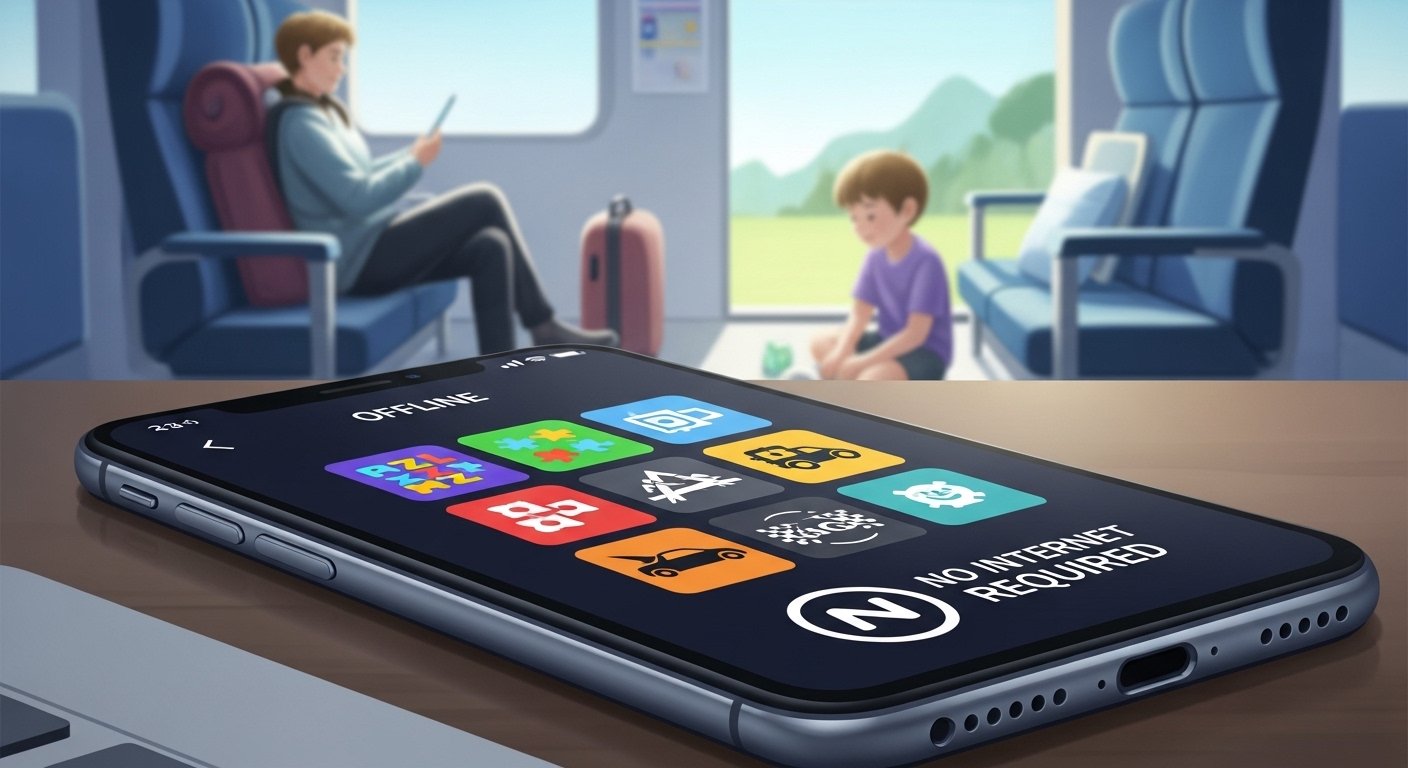
In 2026, offline mobile games are experiencing a surprising resurgence. While the gaming world continues to shift toward cloud experiences and always-online ecosystems, players around the globe are rediscovering—and loving—the charm of games that don’t require an internet connection. But what’s driving this comeback? From changing user habits to improvements in game design, several key factors are fueling this trend.
1. Data Cost and Connectivity Challenges Still Matter
Despite rapid growth in mobile internet coverage, many players—especially in regions with expensive data plans or unstable networks—prefer offline games. Titles that run smoothly without constant connectivity help players save on data costs and avoid frustrating lag or disconnections. In countries like Pakistan, India, and Indonesia, where mobile data usage can be costly, offline games offer a practical entertainment solution that doesn’t drain wallets or patience.
https://play.11winners.pro/why-offline-mobile-games-are-making/
2. A Desire for Simplicity and Focused Play
With the rise of complex online games packed with social features, rankings, and constant notifications, some gamers are craving simplicity. Offline games often deliver focused, uninterrupted experiences—perfect for relaxing on commutes, breaks, or while traveling. This shift toward more mindful gaming aligns with broader trends prioritizing digital wellbeing and intentional screen time.
3. High-Quality Offline Experiences Are Now the Norm
Gone are the days when offline mobile games meant basic graphics and limited gameplay. In 2026, developers are crafting richly detailed storylines, advanced AI opponents, and immersive environments that rival even some online titles. With powerful mobile hardware and optimized game engines, offline games can deliver deep, engaging experiences that keep players hooked without needing a network connection.
4. Offline Games Fit Diverse Lifestyles
Not everyone plays games in the same way—or under the same conditions. Offline games are ideal for users in areas with frequent travel, low connectivity, or strict workplace internet policies. Whether it’s a long flight, a train ride through rural regions, or a crowded café with shaky Wi-Fi, offline options ensure players stay entertained wherever they are.
5. Privacy and Data Concerns Push Players Offline
Online games often require permissions, account sign-ins, and data sharing that many users find intrusive. With increased awareness around digital privacy and security, some players are choosing offline games that don’t track personal data, collect usage statistics, or push targeted ads based on behavior. By eliminating these concerns, offline games offer a more private and user-controlled experience.
6. Developers Are Embracing Offline-First Design
The gaming industry itself is responding to demand. More studios—both indie and major players—are releasing titles designed with offline play as a priority. These games often include optional online features that enhance gameplay (like syncing progress across devices) but don’t require them. This flexible model gives players choice and control, contributing to the overall appeal.
7. Offline Games Offer Nostalgia and Comfort
For many players, offline gaming evokes childhood memories of handheld consoles and cartridge games. This nostalgia factor plays a role in their renewed popularity. Games that offer classic mechanics, story-driven adventures, or puzzle solving appeal to long-time gamers who enjoy experiences rooted in familiar play styles.
Battery-Friendly Gaming for Longer Play Sessions
One of the biggest advantages driving the comeback of offline mobile games in 2026 is their improved battery efficiency. Unlike online games that constantly consume power through data syncing, ads, and live connections, offline games are optimized for smooth, uninterrupted gameplay. This makes them ideal for long journeys, daily commutes, or extended breaks, allowing players to enjoy entertainment without worrying about rapid battery drain.
A Safer and More Controlled Gaming Environment
Offline mobile games are also gaining popularity among parents and younger players due to their safer gaming experience. Without online chat features, real-time multiplayer, or aggressive in-app purchases, these games offer greater control and peace of mind. Parents prefer offline games because they reduce exposure to ads and online risks, making them a trusted option for children’s mobile entertainment in 2026.
https://apps.apple.com/us/story/id1462527246
Conclusion
The comeback of offline mobile games in 2026 isn’t a short-lived trend—it reflects deeper shifts in player preferences, technological capabilities, and lifestyle needs. Whether it’s avoiding high data costs, seeking distraction-free fun, or protecting privacy, offline games are carving out a permanent place in the modern gaming landscape.
If you’re a developer, a marketer, or a player, watching this space means watching an evergreen format evolve with the times—and that’s an exciting journey.