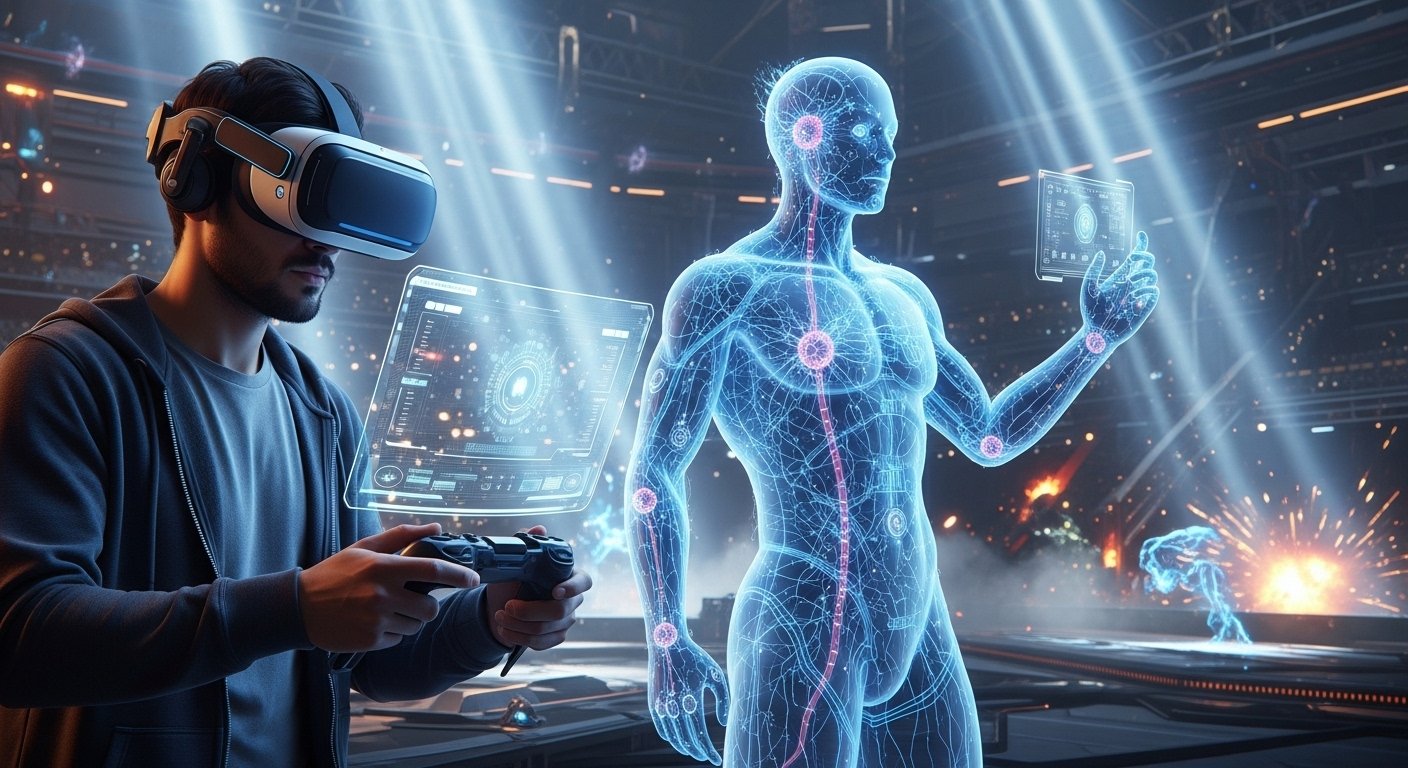
The gaming industry has evolved dramatically over the past decade. From simple scripted characters to advanced open-world experiences, innovation continues to reshape how players interact with digital worlds. One of the most exciting developments is the rise of AI teammates in video games. These intelligent virtual partners are no longer basic non-playable characters (NPCs) following repetitive commands. Instead, they are adaptive, responsive, and capable of making real-time decisions that enhance the gaming experience.
AI-teammates are changing how players experience single-player and multiplayer games. Instead of relying only on human teammates, gamers can now collaborate with intelligent AI-driven companions that think, react, and evolve alongside them.
What Are AI Teammates?
AI-teammates are computer-controlled characters designed to assist players during gameplay. Unlike traditional NPCs that follow predictable scripts, modern AI teammates use advanced algorithms and machine learning models to analyze player behavior, understand strategies, and adapt accordingly.
These AI partners can:
- Provide tactical support during missions
- Heal or defend players in combat scenarios
- Learn from player habits
- Adjust difficulty levels dynamically
- Communicate strategically within the game
This creates a more immersive and realistic gaming environment.
How AI Teammates Enhance Gameplay
1️⃣ Smarter Decision-Making
Traditional NPCs often moved randomly or reacted slowly. AI teammates, however, can analyze battlefield conditions, predict enemy movements, and make calculated decisions. This improves overall team performance and reduces player frustration.
For example, if a player prefers stealth gameplay, the AI teammate may adapt by avoiding loud attacks and focusing on silent eliminations.
2️⃣ Personalized Gaming Experience
Modern AI systems can track player behavior over time. They learn how a player moves, fights, explores, or solves puzzles. Based on this data, AI-teammates adjust their support style.
This personalization makes the gaming experience feel unique. No two players experience the exact same AI behavior, which increases replay value.
3️⃣ Improved Solo Gameplay
Not everyone enjoys multiplayer gaming. AI-teammates allow solo players to experience teamwork without needing real human partners. This is especially useful in story-driven or tactical games where cooperation is essential.
AI companions can revive players, share resources, and assist in solving complex challenges, making solo gameplay feel like a full team experience.
https://play.11winners.pro/🎮-the-rise-of-ai-teammates-video-games-playing/
AI Teammates in Competitive Gaming
Competitive gaming and esports are also benefiting from intelligent AI systems. Developers are experimenting with AI that can train players, simulate real opponents, and provide strategic analysis.
AI teammates can:
- Help beginners learn game mechanics
- Simulate high-level competitive play
- Provide real-time tactical suggestions
- Analyze mistakes and suggest improvements
This technology is helping players improve their skills faster than ever before.
The Technology Behind AI Teammates
AI-teammates rely on multiple technologies, including:
- Machine learning
- Neural networks
- Behavior trees
- Natural language processing
- Real-time data analysis
These systems allow AI characters to understand context, respond intelligently, and improve over time. Some modern games even use reinforcement learning, where AI learns from past actions and adjusts strategies accordingly.
Emotional Intelligence in AI Characters
One of the newest innovations is emotional AI. Developers are working on AI teammates that can detect player emotions based on gameplay patterns. If a player is struggling, the AI might offer more support. If the player is performing well, the AI may take a more aggressive role.
This creates deeper emotional engagement between players and virtual companions.
Challenges of AI Teammates
Despite their advantages, AI teammates still face challenges:
- Overpowered AI may reduce difficulty
- Poor AI can frustrate players
- Ethical concerns about replacing human interaction
- High development costs
Game developers must balance realism and fairness to ensure AI enhances gameplay rather than dominating it.
The Future of AI Teammates
The future of AI-teammates looks promising. With advancements in generative AI and adaptive learning systems, AI partners may soon:
- Communicate using natural voice conversations
- Develop unique personalities
- Remember long-term player interactions
- Evolve across multiple game sessions
In the future, AI teammates might feel almost human-like, blurring the line between real and virtual collaboration.
Impact on the Gaming Industry
AI-teammates are not just changing gameplay; they are influencing game design, storytelling, and player engagement strategies. Studios are investing heavily in AI research to create smarter, more immersive gaming worlds.
This shift may redefine how multiplayer and single-player modes function. Instead of choosing between solo and team-based experiences, players may enjoy hybrid gameplay supported by intelligent AI companions.
Conclusion
The rise of AI-teammates in video games marks a major transformation in the gaming industry. These intelligent virtual partners are making gameplay smarter, more immersive, and highly personalized. From improving solo experiences to assisting competitive players, AI teammates are shaping the future of interactive entertainment.
As technology continues to evolve, AI teammates will become more adaptive, emotionally aware, and strategically intelligent. The next generation of gaming may not just be about playing with friends—but also about building partnerships with intelligent virtual allies.