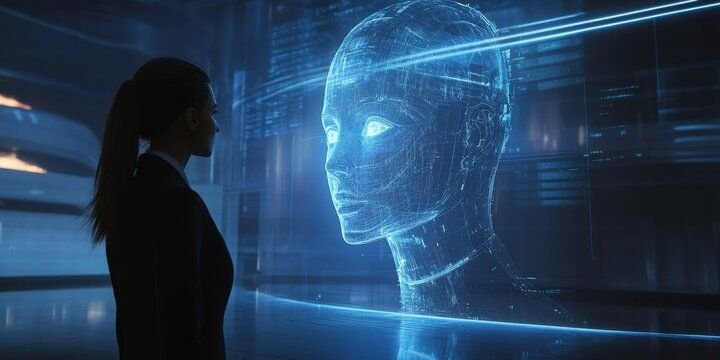
Artificial Intelligence is transforming many aspects of the digital world, and one of the most fascinating trends is the rise of AI digital humans. These virtual personalities look and behave like real people, but they are created using advanced technologies such as artificial intelligence, 3D modeling, and machine learning.
Over the last few years, AI-generated influencers have started appearing on social media platforms like Instagram, TikTok, and YouTube. Some of them have even gained millions of followers and collaborate with global brands. Famous virtual influencers like Lil Miquela and Imma show how digital personalities are becoming a powerful force in modern marketing.
But this growing trend raises an important question: Are AI digital humans going to replace real influencers?
In this article, we will explore what AI digital humans are, how they work, why brands are using them, and what this means for the future of influencer marketing.
Table of Contents
ToggleWhat Are AI Digital Humans?
AI digital humans are computer-generated characters designed to look and act like real humans. They can have realistic facial expressions, natural body movements, and even human-like voices.
Unlike traditional animated characters, AI digital humans are created with the goal of appearing as realistic as possible. They can interact with audiences, respond to messages, and create content for social media platforms.
These virtual personalities are usually developed using a combination of technologies, including artificial intelligence, motion capture, computer graphics, and natural language processing. This allows them to communicate and behave in ways that feel authentic and engaging.
Because of these capabilities, AI digital humans are becoming increasingly popular in marketing, entertainment, and customer engagement.
The Rise of Virtual Influencers
Influencer marketing has become one of the most powerful tools for brands in the digital era. Companies often partner with social media influencers to promote products, reach new audiences, and build trust with consumers.
However, the influencer industry is now evolving with the introduction of virtual influencers—digital characters that function like real influencers but are controlled by creative teams and AI technology.
One of the earliest and most successful virtual influencers is Lil Miquela, who gained fame on Instagram for her fashion posts, music releases, and collaborations with luxury brands.
Another well-known virtual influencer is Imma, a pink-haired digital personality from Japan who has worked with global fashion brands and appeared in major advertising campaigns.
These examples demonstrate that audiences are increasingly comfortable interacting with digital personalities online.
https://play.11winners.pro/rise-ai-digital-humans-virtual-people-replacing/
Why Brands Are Choosing AI Influencers
Many brands are starting to work with AI digital humans for marketing campaigns. There are several reasons why companies find virtual influencers attractive.
1. Full Creative Control
One of the biggest advantages of AI influencers is that brands have complete control over them. Unlike human influencers, virtual personalities cannot get involved in scandals, controversies, or unpredictable behavior.
This makes them a safer option for brands that want to maintain a consistent public image.
2. Perfect Brand Representation
AI digital humans can be designed to perfectly match a brand’s identity. Companies can control their appearance, personality, style, and messaging.
This ensures that every campaign aligns with the brand’s values and marketing strategy.
3. Long-Term Cost Efficiency
While creating an AI influencer requires a significant initial investment, maintaining them over time can be more cost-effective than hiring celebrity influencers who charge high fees for promotions.
4. Global Reach
Virtual influencers can appear in different campaigns, languages, and countries without the need for travel or scheduling limitations. This makes them ideal for global marketing strategies.
Technologies Behind AI Digital Humans
The creation of AI digital humans involves several advanced technologies working together.
Artificial Intelligence
AI systems help digital humans generate content, analyze audience engagement, and simulate conversations with followers.
3D Modeling and Animation
Designers use advanced 3D software to create realistic faces, body movements, and environments for virtual influencers.
Natural Language Processing
This technology enables digital humans to understand and respond to human language, making interactions feel more natural.
Voice Synthesis
Some AI digital humans use AI-generated voices to speak in videos or livestreams, creating a more immersive experience for audiences.
Together, these technologies make digital personalities appear increasingly lifelike.
Advantages of AI Digital Humans
AI digital humans offer several benefits for businesses and content creators.
Unlimited Creativity
Virtual influencers can appear in creative environments that might be difficult or impossible for real people, such as futuristic worlds or fantasy locations.
24/7 Availability
Unlike human influencers, AI personalities can interact with audiences at any time without needing rest.
Brand Safety
Companies can fully control the actions and messages of AI influencers, reducing the risk of negative publicity.
Innovative Marketing
Using AI digital humans allows brands to create unique and futuristic campaigns that capture audience attention.
Because of these advantages, many companies see virtual influencers as a valuable addition to their marketing strategies.
Challenges and Ethical Concerns
Despite their benefits, AI digital humans also raise several concerns.
Authenticity Issues
Many social media users value authenticity and real-life experiences. Some people may feel uncomfortable engaging with digital characters instead of real humans.
Transparency
There are ongoing debates about whether companies should clearly disclose when an influencer is AI-generated.
Impact on Human Creators
Some critics worry that the rise of virtual influencers could reduce opportunities for human content creators.
Ethical AI Use
As AI becomes more powerful, it is important to ensure that these technologies are used responsibly and ethically.
Addressing these challenges will be important as AI digital humans continue to evolve.
Will AI Replace Human Influencers?
Although AI digital humans are becoming more popular, it is unlikely that they will completely replace human influencers.
Human influencers offer qualities that are difficult for AI to replicate, such as personal experiences, emotions, and genuine connections with audiences.
Instead of replacing humans, AI influencers will probably exist alongside human influencers. Brands may use both types of influencers depending on their marketing goals.
In many cases, companies might combine human creativity with AI technology to create more engaging and innovative campaigns.
The Future of AI Digital Humans
The technology behind AI digital humans is advancing rapidly. In the future, these virtual personalities may become even more realistic and interactive.
We may soon see AI digital humans hosting livestreams, acting in movies, teaching online courses, or working as virtual assistants for companies.
As artificial intelligence continues to evolve, the line between real and virtual personalities may become increasingly blurred.
For businesses and content creators, understanding this trend will be important for staying competitive in the digital economy.
Conclusion
AI digital humans represent a new and exciting chapter in the evolution of social media and digital marketing. Virtual influencers like Lil Miquela and Imma have already demonstrated that audiences are willing to engage with digital personalities.
While AI influencers offer benefits such as creative control, cost efficiency, and global reach, they also raise important questions about authenticity, transparency, and ethics.
Rather than replacing human influencers entirely, AI digital humans are likely to become a complementary part of the influencer ecosystem.
As technology continues to improve, virtual personalities may play an even bigger role in the future of marketing, entertainment, and online communication. Businesses and creators who adapt to this new reality will be better positioned to succeed in the rapidly evolving digital world.