Introduction
Social media has completely transformed modern communication, entertainment, and marketing. Over the past decade, influencers have become some of the most powerful figures online, shaping trends, promoting brands, and building massive digital communities. However, a new generation of influencers is now entering the internet world — and they are not human.
These new personalities are known as AI influencers or virtual influencers. They are computer-generated digital humans created using artificial intelligence, 3D animation, machine learning, and visual effects technology. Surprisingly, many of these virtual personalities have already gained millions of followers on platforms like Instagram, TikTok, and YouTube.
From fashion promotions and music videos to online interviews and brand sponsorships, AI influencers are becoming a major part of the creator economy. As artificial intelligence technology improves, virtual humans are beginning to compete directly with real social media celebrities.
The rise of AI influencers could completely change the future of digital entertainment and online marketing.
What Are AI Influencers?
AI influencers are fictional digital personalities designed to behave like real people on social media. These virtual humans are created through advanced technologies such as:
- Artificial intelligence
- CGI (Computer-Generated Imagery)
- Motion capture
- Voice synthesis
- Machine learning algorithms
Unlike traditional influencers, AI influencers do not exist physically. Instead, they are managed by teams of developers, designers, marketers, and AI specialists.
These virtual creators can:
- Post photos and videos
- Reply to comments
- Promote products
- Participate in livestreams
- Collaborate with brands
Some AI influencers are designed to look highly realistic, while others use animated or futuristic styles.
https://play.11winners.pro/rise-of-ai-influencers/
Why AI Influencers Are Becoming Popular
The popularity of AI influencers is growing rapidly for several reasons.
📱 Social Media Users Want New Experiences
Internet audiences are constantly searching for fresh and unique content. Virtual influencers provide futuristic entertainment that feels different from traditional influencer culture.
🎨 Advanced Visual Technology
Modern CGI and AI technologies have improved dramatically. Many virtual influencers now appear almost identical to real humans.
🌍 Global Accessibility
AI influencers can interact with audiences worldwide without physical limitations such as travel, age, or time zones.
💼 Business and Marketing Advantages
Brands often prefer AI influencers because they are easier to control than human celebrities. Companies can manage every aspect of their behavior, appearance, and messaging.
This combination of innovation and marketing potential has made virtual influencers increasingly attractive to businesses.
AI Influencers and Social Media Platforms
Social media platforms play a major role in the success of virtual influencers.
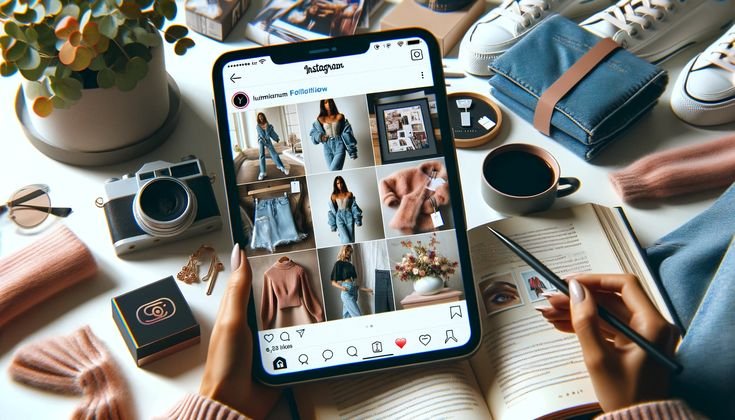
Instagram is one of the most important platforms for AI influencers because it focuses heavily on visual content.
Virtual influencers use Instagram to:
- Share digital photoshoots
- Promote fashion products
- Collaborate with brands
- Build online communities
Because Instagram users are already familiar with influencer culture, AI-generated personalities fit naturally into the platform.
TikTok
TikTok helps AI influencers create short-form viral content through videos, trends, and entertainment clips.
TikTok’s algorithm promotes engaging content quickly, allowing virtual creators to gain millions of views within a short period.
YouTube
YouTube provides opportunities for longer video content, storytelling, interviews, and music projects involving virtual influencers.
How AI Influencers Are Created
Creating an AI influencer is a complex process involving multiple technologies.
Character Design
Designers first create the personality, appearance, voice, and backstory of the virtual influencer.
Animation and CGI
3D artists use advanced animation software to create realistic facial expressions and movements.
AI Communication Systems
Some AI influencers use chat systems powered by artificial intelligence to interact with followers automatically.
Content Management
Marketing teams plan posts, partnerships, and campaigns just like they would for a human influencer.
This combination of creativity and technology allows virtual influencers to behave similarly to real online celebrities.
The Role of AI Influencers in Digital Marketing
AI influencers are becoming powerful tools in digital marketing.
Brand Collaborations
Major brands partner with virtual influencers to promote:
- Fashion products
- Beauty items
- Technology gadgets
- Digital services
Controlled Brand Image
Unlike human influencers, AI personalities do not create personal scandals or unpredictable controversies.
24/7 Availability
Virtual influencers can create content continuously without physical limitations.
Global Reach
AI-generated content can be adapted for multiple languages and international audiences.
These advantages make AI influencers highly valuable for global marketing campaigns.
Impact on the Creator Economy
The rise of AI influencers is changing the creator economy in significant ways.
Increased Competition
Human influencers may face stronger competition from virtual personalities.
New Career Opportunities
At the same time, virtual influencers create jobs for:
- AI developers
- 3D artists
- Digital marketers
- Motion designers
- Content strategists
The creator economy is expanding beyond traditional content creators into technology-driven entertainment systems.
Ethical Concerns and Challenges
Despite their growing popularity, AI influencers also raise ethical concerns.
🤔 Authenticity Problems
Some people feel AI influencers are not authentic because they lack real emotions and experiences.
🔐 Transparency Issues
Audiences may not always know whether a creator is human or AI-generated.
💼 Impact on Human Creators
Virtual influencers could reduce opportunities for human influencers and models.
🧠 Social and Psychological Effects
AI-generated beauty standards may affect how users view identity and self-image online.
These concerns are becoming more important as virtual humans become increasingly realistic.
AI Influencers and the Metaverse
The future of AI influencers is closely connected to the development of the metaverse.
In virtual environments, AI influencers may:
- Host digital concerts
- Sell virtual products
- Interact with users in real time
- Become virtual brand ambassadors
As virtual reality and AI technologies improve, virtual influencers may become permanent digital celebrities in online worlds.
The Future of AI Influencers
The future of virtual influencers looks extremely promising.
Possible future developments include:
- Fully AI-generated livestream creators
- Real-time AI conversations
- Hyper-realistic digital humans
- AI-powered virtual assistants
- Interactive virtual celebrities
Companies working in artificial intelligence and entertainment technology are investing heavily in these systems because they believe virtual personalities represent the future of online engagement.
As technology evolves, AI influencers may become as common as human influencers on social media.
Conclusion
AI influencers are transforming the social media landscape by combining artificial intelligence with digital creativity. Platforms like Instagram, TikTok, and YouTube are helping virtual humans gain global popularity and influence.
These digital personalities are changing digital marketing, entertainment, and influencer culture while also raising important ethical questions about authenticity and human interaction.
Although human creators still dominate social media today, the rise of AI influencers shows that the future of online entertainment may become increasingly virtual, interactive, and powered by artificial intelligence.