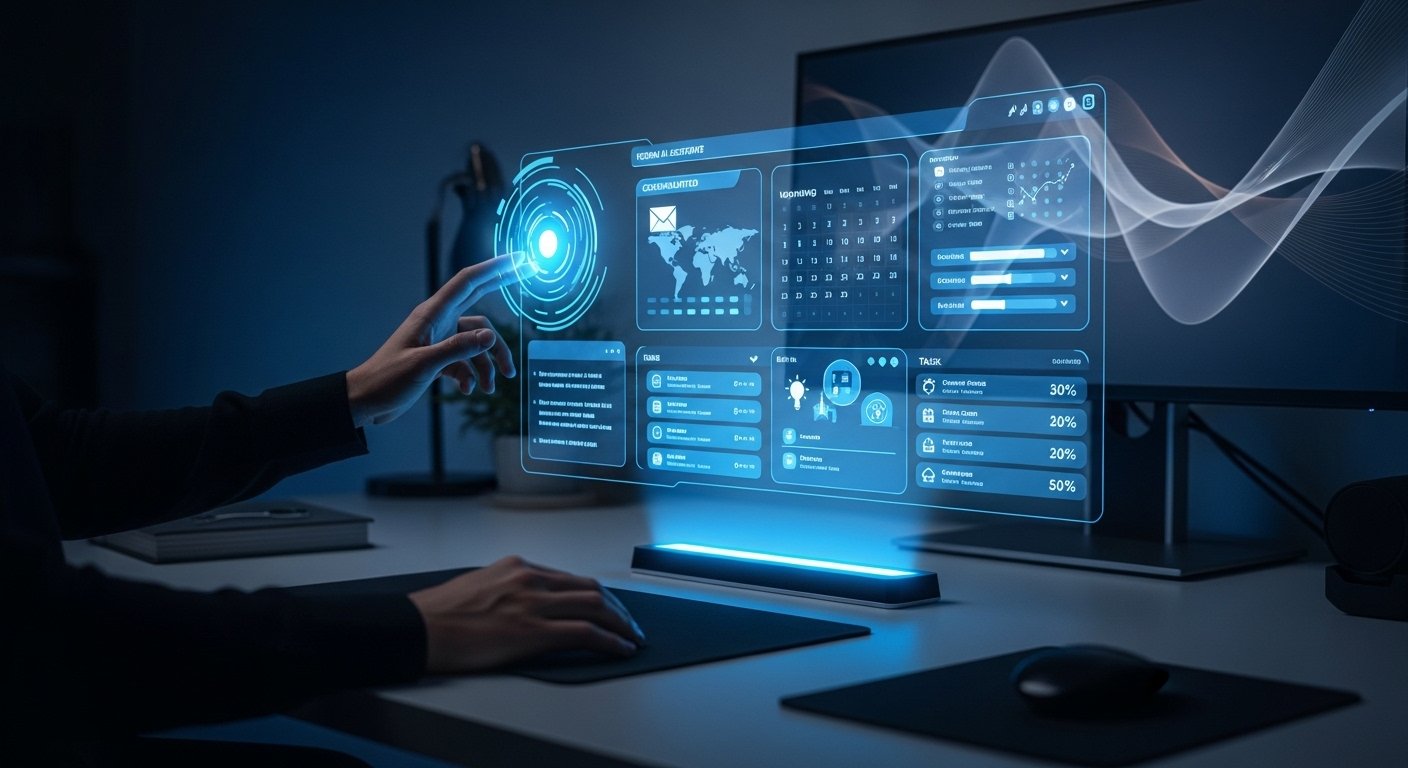
Artificial intelligence is rapidly transforming how people interact with technology. Over the past decade, AI-powered tools such as voice assistants and automation platforms have helped users perform tasks more efficiently. However, a new concept is emerging that could redefine the entire digital experience: the Personal AI Operating System.
A Personal AI Operating System acts as an intelligent layer that manages digital tasks, applications, and information on behalf of the user. Instead of manually switching between different apps and services, users can rely on AI to organize their digital lives, automate routine activities, and provide intelligent recommendations.
Table of Contents
ToggleWhat Is a Personal AI Operating System?
A Personal AI Operating System is an AI-driven platform that functions like a central digital assistant. It understands user behavior, preferences, and goals, then uses this information to automate tasks and simplify everyday digital interactions.
Unlike traditional software systems that require users to manually operate different apps, an AI operating system works proactively. It can schedule meetings, organize files, manage emails, and even assist with decision-making.
Technology companies such as OpenAI, Google, and Microsoft are actively developing AI systems that move toward this vision of an intelligent personal computing environment.
Moving Beyond Traditional Apps
Traditional operating systems rely on applications to perform specific tasks. For example, users must open separate apps for messaging, calendars, emails, and productivity tools.
A Personal AI Operating System changes this approach by acting as an intelligent intermediary. Instead of opening multiple apps, users simply communicate with the AI system.
For instance, a user could say:
- “Schedule a meeting with my team tomorrow afternoon.”
- “Summarize the important emails from today.”
- “Prepare a report based on last month’s sales data.”
The AI system would automatically gather the necessary information from various services and complete the task.
How Personal AI Systems Work
Personal AI operating systems combine several advanced technologies, including:
Machine Learning
Machine learning allows AI systems to analyze user behavior and improve over time. By observing patterns in how users work, the system can predict needs and provide smarter assistance.
Natural Language Processing
Natural language processing allows users to communicate with AI using normal human language. Instead of complicated commands, users can simply speak or type instructions.
Data Integration
Personal AI systems connect with multiple apps and services, including calendars, email platforms, productivity tools, and smart devices. This integration allows the AI to manage multiple aspects of a user’s digital life.
https://play.11winners.pro/personal-ai-operating-systems-the-future/
Benefits of Personal AI Operating Systems
The rise of AI operating systems could significantly improve productivity and simplify digital interactions.
Increased Productivity
By automating repetitive tasks, users can focus on more important activities. AI can handle scheduling, data organization, reminders, and workflow management.
Simplified Digital Experience
Instead of managing many apps, users interact with one intelligent interface that coordinates everything.
Personalized Assistance
AI systems learn from user behavior and adapt to individual preferences. Over time, the AI becomes better at anticipating needs.
Better Decision Support
AI can analyze large amounts of data and provide recommendations, helping users make more informed decisions.
Use Cases in Daily Life
Personal AI operating systems could impact many areas of everyday life.
Work and Productivity
AI could automatically organize work tasks, prepare meeting summaries, generate reports, and track deadlines.
Personal Life Management
Users could rely on AI to manage travel plans, shopping lists, household tasks, and reminders.
Smart Home Integration
AI operating systems could connect with smart home devices to manage lighting, security systems, and energy usage.
Learning and Education
AI systems could provide personalized learning recommendations, study plans, and knowledge summaries.
Privacy and Security Challenges
Despite the advantages, Personal AI Operating Systems also raise important privacy and security concerns.
Because these systems manage large amounts of personal data, strong data protection measures are essential. Users must trust that their information is handled securely and responsibly.
Companies developing AI systems must focus on transparency, user control, and ethical AI practices to address these concerns.
The Future of AI-Driven Computing
The concept of Personal AI Operating Systems is still evolving, but many experts believe it could represent the next major shift in computing.
In the future, people may interact with a single AI system that coordinates all their digital activities. Instead of managing technology manually, users will simply communicate with their AI assistant, which will handle the complexity behind the scenes.
As artificial intelligence continues to improve, personal AI systems may become an essential part of daily life, transforming how people work, communicate, and interact with technology.
https://www.ibm.com/topics/artificial-intelligence
Conclusion
Personal AI Operating Systems represent an exciting vision for the future of human–technology interaction. By combining artificial intelligence, automation, and data integration, these systems could simplify digital life and significantly increase productivity.
While challenges related to privacy and security remain, the continued advancement of AI technologies suggests that intelligent operating systems may soon become a standard part of modern computing.
As technology evolves, the relationship between humans and machines will become more collaborative, with AI acting not just as a tool but as a true digital partner.