💡 Introduction
Social media has become one of the most powerful forces in the modern digital world. Millions of people use platforms like Meta, TikTok, and Snap Inc. every single day without even realizing how much time they spend on them.
What starts as entertainment slowly turns into a habit, and for many users, it becomes an addiction. The real question is not just “why people use social media,” but how these platforms are designed to keep people hooked for as long as possible.
🧠 The Science of Dopamine and Digital Pleasure
At the core of social media addiction is a chemical in the brain called dopamine. This chemical is released when we experience something enjoyable—like receiving likes, comments, or new followers.
Every time you get a notification or see something interesting, your brain gets a small reward. This creates a loop:
- You open the app
- You receive a reward (like, comment, video)
- Your brain releases dopamine
- You feel good and repeat the action
Over time, this cycle turns into a habit that becomes difficult to break.
🔄 How Algorithms Control What You See
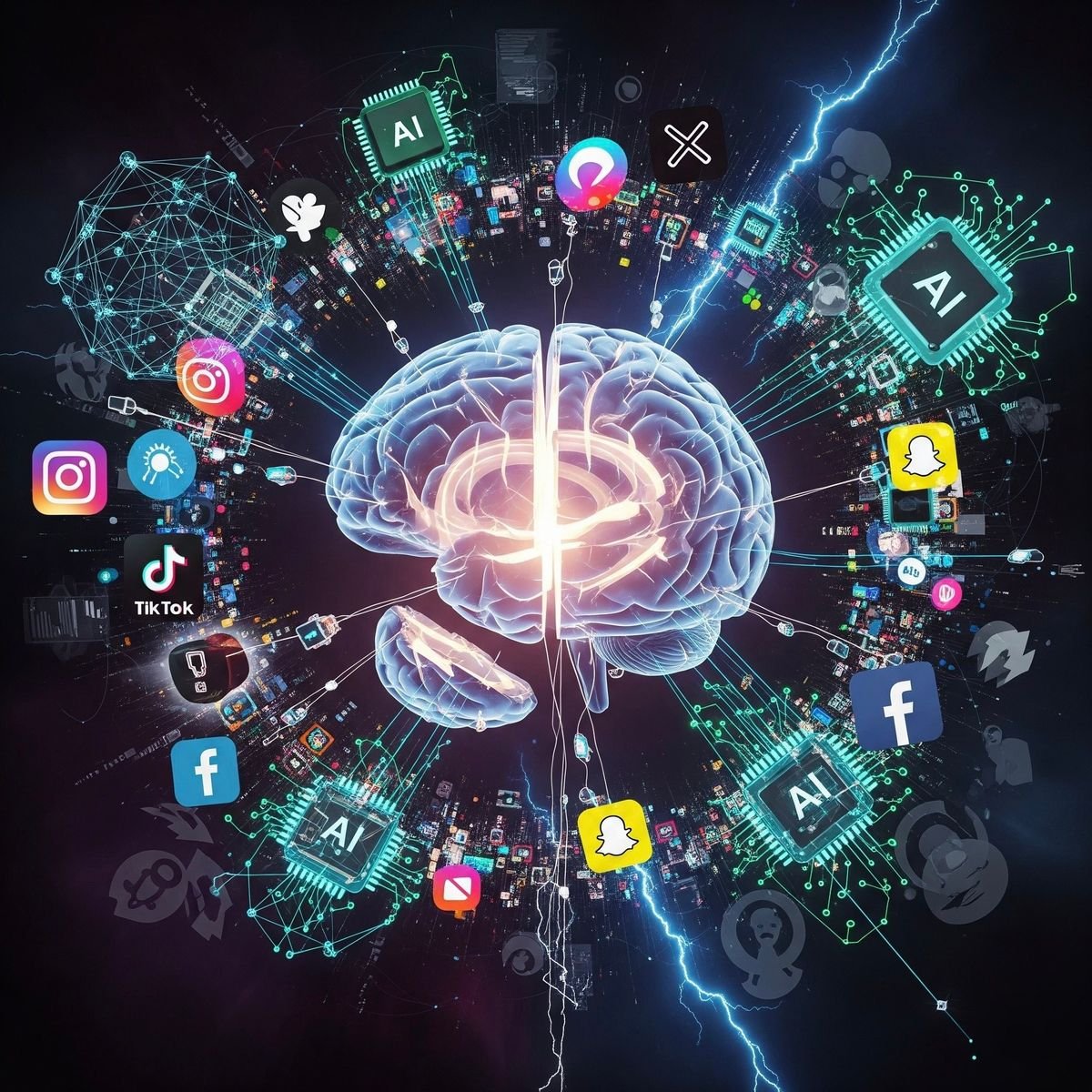
Modern social media platforms don’t show content randomly. They use powerful AI systems to control your feed.
Companies like TikTok and Meta use machine learning algorithms that analyze:
- What you watch
- How long you watch it
- What you like or skip
- What you search
Based on this data, the system predicts what will keep you engaged the longest.
This means your feed is not just content—it is a personalized attention trap designed specifically for you.
https://play.11winners.pro/the-psychology-of-social-media-addiction/
🎯 Psychological Tricks Used by Social Media Apps
Social media companies use several psychological techniques to increase engagement:
🔁 Infinite Scroll
There is no natural stopping point. Content keeps loading endlessly, making it hard to stop.
🔔 Push Notifications
Apps constantly send alerts to bring users back.
❤️ Social Validation
Likes, comments, and shares create emotional satisfaction and approval.
🎥 Autoplay Videos
Videos automatically play one after another, removing the decision to stop.
These features are not random—they are carefully designed to maximize screen time.
🧍 Human Behavior and Emotional Triggers
Social media platforms also target human emotions such as:
- Curiosity
- Fear of missing out (FOMO)
- Loneliness
- Excitement
For example, when you see others enjoying life on Instagram, it can trigger FOMO, making you check the app more often. Meta platforms especially use visual storytelling to increase emotional engagement.
📊 Why Social Media Companies Want Your Attention
Social media platforms are not just communication tools—they are attention-based businesses.
Companies like Meta, TikTok, and Snap Inc. earn money mainly through advertising. The longer you stay on the platform, the more ads you see, and the more money they make.
So their goal is simple:
👉 Keep users online as long as possible
This is why every feature is optimized for engagement, not necessarily wellbeing.
⚠️ Negative Effects of Social Media Addiction
Excessive use of social media can lead to serious problems:
🧠 Mental Health Issues
- Anxiety
- Depression
- Low self-esteem
⏰ Time Loss
Hours are wasted without productivity or purpose.
😴 Sleep Disruption
Late-night scrolling affects sleep cycles and energy levels.
🧍 Social Isolation
People may interact more online than in real life.
These effects are becoming more common, especially among younger users.
📱 Impact on Daily Life and Productivity
Social media addiction does not just affect mental health—it also impacts productivity.
Students may struggle to focus on studies, and professionals may lose valuable work time. Even short breaks often turn into long scrolling sessions.
Over time, attention span decreases, and it becomes harder to focus on deep tasks.
🧘 How to Break the Addiction Cycle
The good news is that social media addiction can be controlled. Here are some effective methods:
📵 Turn Off Notifications
This reduces constant distractions.
⏳ Set Screen Time Limits
Limit daily usage of apps.
📌 Use Apps with Purpose
Open social media only for specific tasks, not out of habit.
🌿 Take Digital Detox Breaks
Spend time away from screens regularly.
🧠 Be Aware of Algorithms
Understanding how platforms work helps you stay in control.
🔮 The Future of Social Media
Social media is becoming more advanced with AI and new technologies. Future platforms may include:
- More personalized AI feeds
- Virtual reality social worlds
- Even stronger engagement algorithms
- Real-time behavioral prediction
Companies like TikTok and Meta are already investing heavily in next-generation engagement systems.
This means social media will become even more immersive and powerful in the future.
🧾 Conclusion
Social media addiction is not just a habit—it is a result of advanced psychology, AI algorithms, and business models designed to capture human attention.
Platforms like Meta, TikTok, and Snap Inc. use powerful systems that influence how people think, behave, and spend time.
However, awareness is the key. When users understand how these systems work, they can take control of their digital life instead of being controlled by it.
Balanced use of social media allows us to enjoy its benefits while avoiding its negative effects.